A massive dust storm, or haboob, swept across the Sahara Desert from western Algeria into Mauritania, Morocco, Western Sahara and the Canary Islands on March 30. The dust stretched for more than 1,000 miles.
As meteorologists observed the dust storm from space via weather satellites, social media users captured the incoming dust storm on camera. One video shows a thick wall of dust and sand moving toward a resident of the town of Tindouf, near the Mauritanian, Western Saharan and Moroccan borders.
How does the dust affect tropical storms in the Atlantic?
While this storm didn't make it too far off the coast, significant amounts of dust can drift westward from Africa across the Atlantic beginning in May. This can inhibit tropical storm formation, or the strengthening of an existing system, because the dusty air has about 50% less moisture than the typical tropical atmosphere.
Strong winds in the dust layer can also substantially increase the vertical wind shear in and around the storm environment, potentially disrupting any storm that forms.
LATEST POSTS
- 1
 Volcanic eruption led to the Black Death, new research suggests
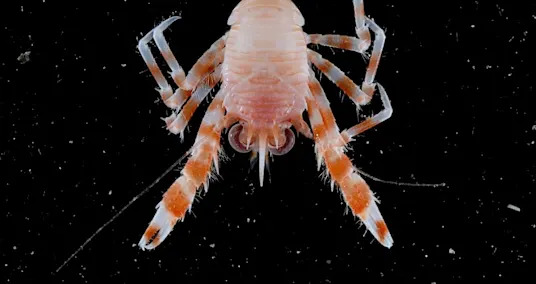
 - 2More Than 110 New Species Discovered In Deep Waters Off Australia
- 3EU Commission prepares €90bn Ukraine loan despite Hungary's veto
- 4RFK Jr.'s vaccine panel delays hepatitis B shot vote after chaotic meeting
- 5Yemen’s Aden airport shut by STC-backed transport minister, Saudi source says




- Elanco's drug gets emergency nod to treat deadly flesh-eating parasite in cats
- Man triggers smoke bomb during failed crypto robbery
- Turning to turkey’s tryptophan to boost mood? Not so fast
- 10 Natural products to Remember for Your Eating routine for a Better You
- The most effective method to Begin Your Excursion in Gold Venture
- Online business Stages for Little Retailers
- Guaranteeing Quality Medical care with Federal medical care Benefit Plans.
- 5 Chiefs That Changed Our Opinion on Film
- The most effective method to Engage in Local area Making arrangements for 5G Pinnacle Establishments