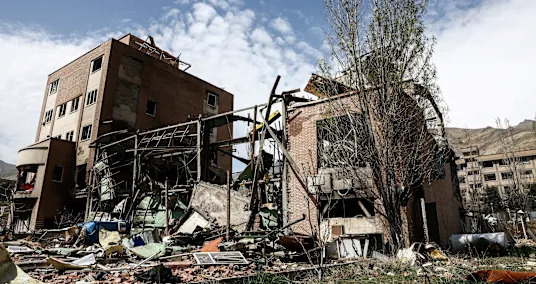
In Tehran, a city of nine million people, schools are closed, businesses are shuttered or struggling, and locals are living without a functioning air-raid warning system or public shelters. In many areas, the first sign of an incoming strike is the explosion itself.
There have been twice as many US and Israeli attacks on Iran compared to the number of Iranian retaliatory strikes since the war began — and the numbers killed in Iran have been orders of magnitude greater than in the neighboring Gulf states. A nationwide internet blackout, now entering its second month, has left civilians unable to access information about safety, shelter, and food and has meant some are unable to work. But while millions have fled Iran’s cities, many more are staying where they are. Some residents are hoping the US and Israeli bombs will cause the regime to collapse; others are left wondering if they are at risk if their neighbors are targeted.
For the many Iranians with ties to Dubai, there are other pressures, with Iranian nationals now barred from entering or transiting through the UAE. Residency permits, even for those with long-term Golden Visas, are reportedly being revoked without notice.

LATEST POSTS



 Who is behind Al-Majd, the Israeli-linked evacuation group sending Gazans to South Africa?
- Single women risk rape and exploitation in search for better life in Europe
- 'A perfect storm': Airlines cut flights and increase airfares as jet fuel price spikes
- Step by step instructions to Pick an Incineration Urn: Variables to Consider
- The Best Cell phone Brands for Tech Lovers
- Remain Fit: Powerful Wellness and Work-out Schedules for a Better You
- Moving Wedding Objections for Paramount Functions
- Exploring the Main Year of Life as a parent: Individual Encounters
- Hubble sees spiral galaxy in Lion's heart | Space photo of the day for Nov. 4